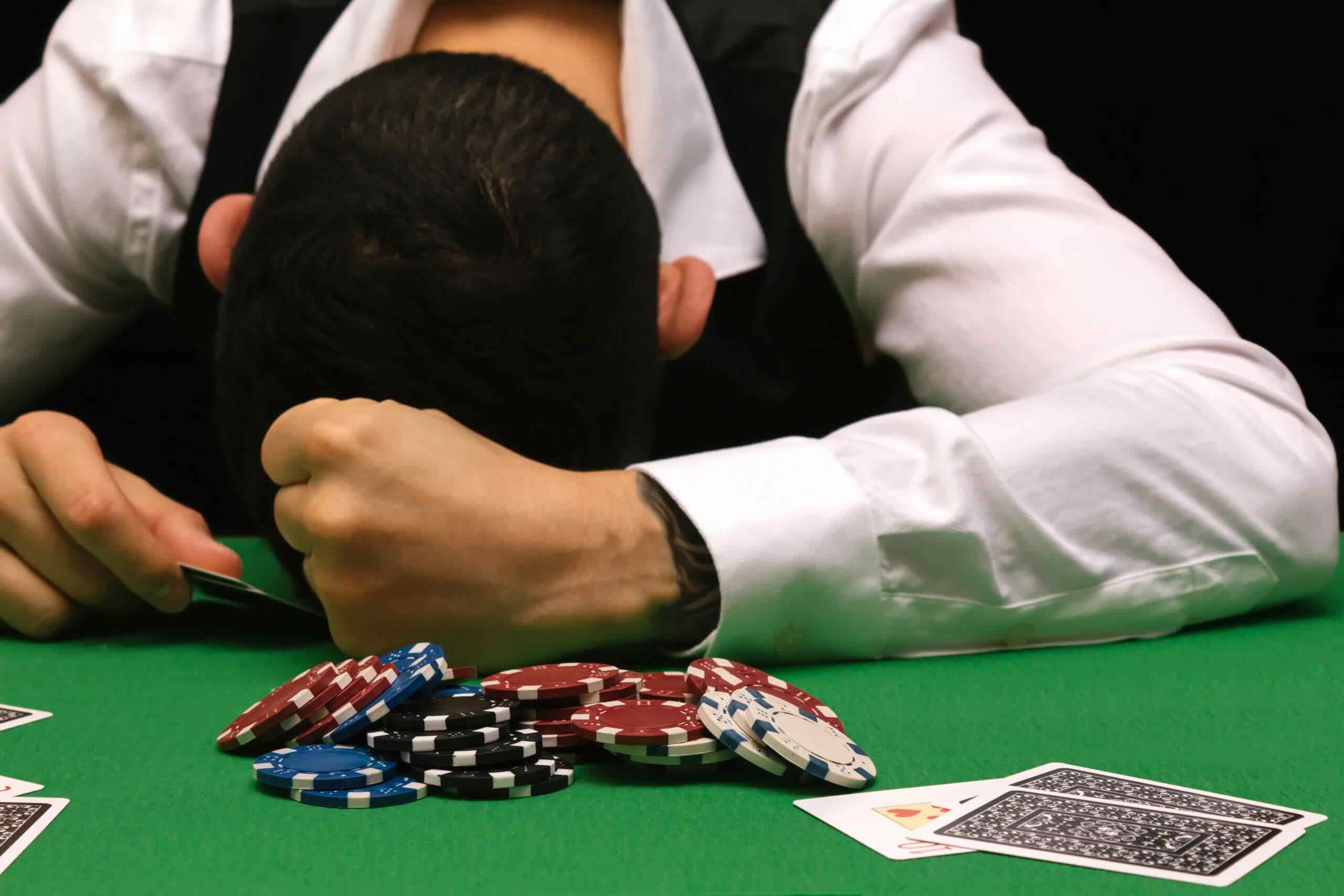
The mental mechanisms behind gambling reveals a harmful pattern where bettors attempt to recover their losses by wagering more, often resulting in deeper monetary problems. This cycle creates a vicious cycle that keeps bettors trapped in harmful wagering habits, driven by cognitive biases and emotional impulses that override rational decision-making.
The Cognitive Dynamic Behind Loss Chasing
The human mind responds to financial losses with increased emotional intensity, triggering a strong compulsion to immediately recoup what has been forfeited. This reaction originates from loss aversion, where the pain of losing feels approximately twice as intense as the pleasure of winning an equivalent amount. When players experience this discomfort, their logical thinking becomes impaired, and they feel compelled to keep wagering despite growing signs that stopping would be the wiser choice.
Cognitive distortions play a key role in perpetuating this destructive cycle, with gamblers often falling prey to the gambler’s fallacy—the false conviction that previous losses boost the probability of future wins. This flawed reasoning convinces players that they are «due» for a win, creating false confidence that the following wager will turn their luck around. Additionally, the close-call effect strengthens ongoing gambling, as close calls activate identical neural reward pathways as actual victories.
The psychological condition of despair escalates as losses accumulate, producing a narrow focus effect where recouping losses becomes the sole focus. Players enter a detached mental condition where time perception distorts and outside worries fade away, leaving only the immediate goal of breaking even. This mental snare becomes increasingly difficult to escape as the neural reward pathways becomes conditioned to seek the temporary relief that comes from placing another bet, regardless of the logical awareness that ongoing gambling will likely deepen the monetary deficit.
How Loss Chasing Develops Into Compulsive Patterns
The shift from casual wagering to problem gambling often occurs gradually as players encounter increasing losses that spark increasingly frantic attempts to recover. What commences as a straightforward goal to recoup losses becomes an complete preoccupation that occupies the mind and conduct, pushing individuals toward higher-risk bets with each failed try.
This escalation tracks a foreseeable path where sound judgment gives way to reactive emotions, and structured betting approaches dissolve into erratic betting behavior. The emotional buildup accumulates with each defeat, generating a strong urge that becomes more challenging to withstand as the financial exposure grow higher and the psychological commitment deepens.
The Desperation Phase and Irrational Choices
When players reach the desperation phase, cognitive distortions intensify dramatically, resulting in betting decisions that defy basic logic and probability. The overwhelming need to recover losses clouds judgment, causing individuals to abandon previously established limits and chase increasingly unlikely outcomes with unfounded optimism.
During this crucial period, players often exhibit common patterns of distorted logic, including the belief that losses constitute temporary setbacks rather than statistical realities. They may interpret random patterns as meaningful trends, assure themselves that a winning streak is forthcoming, or believe their persistence will eventually be rewarded despite mounting evidence to the opposite.
Boosting Bet Sizes to Recover Losses More Quickly
A hallmark of mounting loss-chasing behavior involves progressively larger wagers as players attempt to recoup accumulated deficits through fewer bets. This risky approach, often called the Martingale system, creates rapidly expanding risk levels that can erode betting funds within remarkably short timeframes when consecutive losses persist.
The principle behind increasing bet sizes appears superficially convincing to struggling bettors: bigger bets mean faster recovery if they win. However, this thinking ignores the fundamental reality that higher stakes also mean faster losses when bets lose, creating a vicious cycle where each losing wager requires an increasingly bigger next bet to recover losses.
Disregarding Bankroll Limits Throughout Chasing Losses
Predetermined bankroll limits, once considered important thresholds, transform into trivial barriers during heated recovery attempts as players rationalize going beyond their allocated funds. The pressing need to regain money supersedes earlier pledges to responsible gambling, causing people to draw from reserves initially set aside for vital bills or financial reserves.
This desertion of fiscal responsibility marks a pivotal turning point where gambling transitions from amusement to addiction, as players draw from lines of credit, borrowed funds, or savings reserves. The mental rationalization follows a consistent pattern: just another wager to get back to even, after which they vow they’ll stop and never chase losses again.
The Monetary and Psychological Impact of Continuous Betting
The financial impact of ongoing betting extend far beyond the first losses, producing a domino effect that affects savings, credit, and overall financial stability. Players often deplete emergency funds, exhaust credit card limits, and take loans from friends or family to sustain their betting activities. This financial deterioration happens gradually, with each betting session accumulating additional debt that becomes increasingly difficult to manage or escape.
Mental anguish comes with the monetary losses, presenting with anxiety, depression, and intense shame about the accumulating debts. The relentless tension of keeping debts secret from close relationships and the embarrassment from continuous setbacks produce a psychological burden that impacts sleep, relationships, and daily functioning. Many individuals undergo emotional fluctuations that correlate directly with their wagering results, establishing an unpredictable emotional pattern.
The mix of financial pressure and emotional turmoil often leads to isolation as players distance themselves from social connections to hide their situation. They may skip important family events, overlook responsibilities at work, and avoid friends who might challenge their behavior. This voluntary withdrawal removes crucial support systems that could assist in breaking the harmful pattern of continuous betting.
Physical health worsens in conjunction with mental wellbeing as the stress manifests in tangible symptoms including headaches, digestive problems, and cardiovascular issues. The neglect of essential personal care, irregular eating patterns, and sleep deprivation exacerbate existing conditions. Medical expenses from stress-induced illnesses add another monetary strain to an already precarious situation, creating a total disruption that affects every aspect of life.
Escaping the Loss Chasing Cycle
Breaking free from the destructive cycle of pursuing lost money demands conscious effort and practical strategies. Players must build understanding of their behavior and establish protective measures before the pattern escalates beyond control, creating a basis for healthier gambling habits.
Spotting Red Flags Before They Get Worse
Prompt recognition of problematic gambling patterns can prevent major damage. Be alert to higher wagering frequency after losses, taking loans to bet, or displaying worry when unable to bet, as these suggest developing issues.
Emotional reactions like frustration after losses or preoccupation with recovering money indicate underlying issues. Neglecting responsibilities, lying about gambling activities, or being driven to win back losses all require urgent professional help and professional support.
Setting up Loss Caps and Self-Exclusion Options
Setting fixed spending limits before betting activities creates essential boundaries. Establish a set amount you can afford to lose, use dedicated wallets for betting money, and activate spending caps through casino platforms to enforce responsible habits.
Self-exclusion schemes deliver effective protection by preventing access to gambling sites for set durations. Several countries provide national self-exclusion registers, while individual operators offer cooling-off periods spanning from days to permanent bans, enabling players time to recover and review their involvement with gambling.
Long-Term Healing and Establishing Healthier Betting Habits
Breaking away from the harmful pattern requires a comprehensive approach that addresses both the mental and behavioral aspects of problem gambling. Understanding vipluck online casino is the initial important step toward recovery, as it helps people recognize the red flags before they descend into deeper financial and emotional distress. Professional counseling, support groups, and CBT can provide the tools necessary to rewire thought patterns and develop better stress management strategies for handling setbacks.
Setting up strict personal limits and accountability systems creates the foundation of responsible betting practices for those who choose to keep wagering responsibly. This encompasses setting predetermined budgets that treat gambling as entertainment rather than profit making, using cooling-off periods after losses, and leveraging digital solutions like deposit limits and account restriction tools. Regular self-assessment and genuine introspection about betting drivers promote consciousness and avoid returning into loss-chasing patterns.
Long-term success depends on creating new pursuits and support networks that provide fulfillment outside of gambling environments. Pursuing interests, strengthening social connections with non-gambling friends, and tackling root causes such as anxiety, stress, and depression establishes a healthier life balance. Money counseling can assist in fixing economic damage while teaching money management skills that reduce vulnerability to upcoming gambling issues and strengthen healthy habit formation.